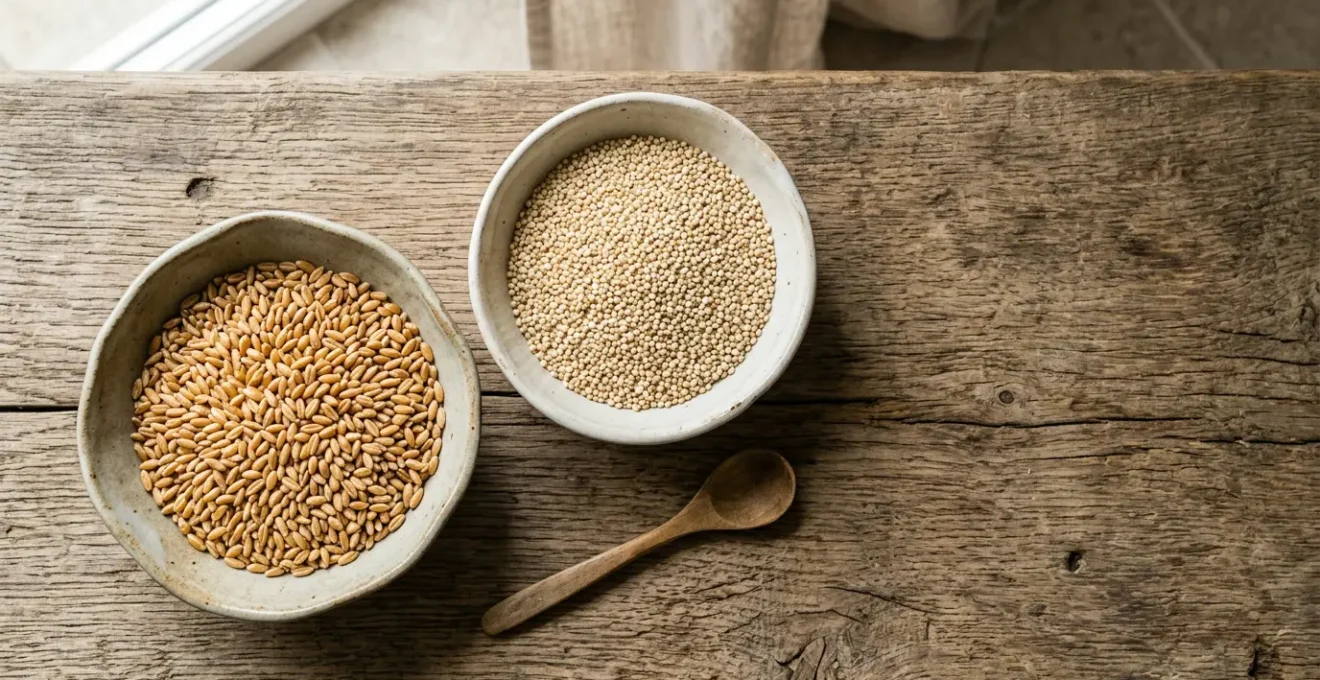
The frustrating bloating you feel after eating supposedly “healthy” grains isn’t your fault—it’s often caused by poorly understood interactions between grain structure and your gut.
- Swapping grains isn’t enough; mastering specific preparation methods (like toasting, soaking, and fermenting) is crucial to deactivate digestive irritants.
- Many “gluten-free” products replace whole grains with refined starches and gums that can worsen fermentation and bloating in sensitive individuals.
Recommendation: Focus less on the grain’s label and more on its preparation. Start with well-prepared spelt or buckwheat, and introduce fermented foods using a careful titration protocol to rebuild gut resilience.
You’ve made the switch. You’ve replaced standard white bread with what you believe are healthier alternatives, like ancient grains. You choose quinoa for your salads and spelt for your toast, yet the uncomfortable, persistent bloating after meals remains. This common frustration leads many to believe their gut is simply “too sensitive” for any grain. But what if the issue isn’t the grain itself, but rather how its structure and compounds interact with your unique digestive system?
The conventional advice is often to “eat more fiber” or simply “go gluten-free.” While well-intentioned, this guidance overlooks the crucial details. The bloating you experience is a specific biological response, often tied to the fermentation of certain carbohydrates by your gut bacteria. The key to relief lies not in broad dietary changes, but in understanding the micro-level mechanics: how to choose grains that are inherently less taxing on your digestion and, more importantly, how to prepare them in ways that neutralize potential irritants before they ever reach your gut.
This is where the expertise of a gastro-dietitian becomes essential. The true solution is a more nuanced approach. It involves looking beyond the marketing buzz of “ancient grains” and focusing on the science of enzyme inhibition, the importance of a grain’s structural integrity, and the power of controlled fermentation. This guide will move past the spelt versus quinoa debate to give you a practical framework for selecting and preparing grains that actively soothe, rather than provoke, your digestive system.
In the following sections, we will explore the precise reasons certain grains are better tolerated, provide step-by-step preparation methods to enhance digestibility, and reveal the common nutritional errors that may be sabotaging your efforts. This is your roadmap to reclaiming digestive comfort.
Summary: A Dietitian’s Guide to Grains and Bloating
- Why many people tolerate Spelt bread better than modern Chorleywood supermarket loaves?
- How to achieve a fluffy texture with Amaranth using the absorption method?
- Buckwheat or Brown Rice: Which has a lower glycemic index for sustained energy?
- The nutritional error of swallowing whole grains for potato starch and gums
- How to prepare overnight Teff porridge for a warm gut-soothing start?
- How to start eating sauerkraut without triggering an initial bloating crisis?
- Why increasing fiber is the single most effective dietary change to reduce cancer risk?
- How Improving Gut Flora Can Reduce Workplace Stress Symptoms Within 3 Weeks?
Why many people tolerate Spelt bread better than modern Chorleywood supermarket loaves?
For many with mild gluten sensitivity, the switch from a standard supermarket loaf to spelt bread brings surprising relief. This isn’t just a placebo effect; it’s rooted in tangible biochemical differences. Modern wheat, especially that used in rapid-production Chorleywood-process loaves, has been bred for high yields and gluten strength, which can be challenging for the digestive system. Spelt, an ancient wheat variety, possesses a more fragile gluten structure and a different profile of fermentable carbohydrates (FODMAPs), making it inherently gentler on the gut.
The most compelling difference, however, lies in how these grains interact with our digestive enzymes. The process of breaking down starches begins with enzymes like alpha-amylase. If a food inhibits this enzyme, starch digestion is impaired, leading to more undigested material reaching the colon, where it ferments and produces gas and bloating. This is a critical factor for those with IBS or digestive discomfort.
Scientific analysis provides a clear explanation. A 2024 study analyzing digestive enzyme activity found that refined spelt had the lowest α-amylase inhibition compared to modern refined wheat, which had the highest. This means spelt interferes less with your body’s natural starch-digesting process. In essence, your system doesn’t have to work as hard, resulting in less fermentation and a significant reduction in bloating. Choosing spelt is therefore a strategic move to lower the digestive load from the very first bite.
This makes spelt an excellent starting point for reintroducing bread, provided it’s from a reputable source that uses traditional, long-fermentation methods, which further pre-digests some of the challenging compounds.
How to achieve a fluffy texture with Amaranth using the absorption method?
Amaranth is a nutritional powerhouse, packed with protein and minerals, but it often frustrates home cooks by turning into a dense, porridge-like mass. For someone with a sensitive gut, this gummy texture can feel heavy and difficult to digest. The secret to transforming amaranth into a light, fluffy, and gut-friendly side dish lies in a preparation method that respects its structural integrity.
Unlike quinoa or rice, amaranth grains are minuscule and release a lot of starch when cooked, which causes them to clump together. The goal is to cook them just enough to be tender without allowing them to burst and create a sticky gel. The absorption method, when done correctly with a crucial pre-toasting step, is the key to achieving this delicate balance. Toasting the dry grains for a few minutes firms up their exterior, making them more resilient to the cooking process.
Following this precise method ensures the grains remain distinct, creating a texture that is far more palatable and gentle on the digestive system. Here is the step-by-step process:
- Pre-Toast the Grains: In a dry pot over medium heat, toast the amaranth for 2-3 minutes, stirring constantly until it becomes fragrant. This is the most critical step to prevent a mushy result.
- Add Liquid: Pour in water using a strict 1:2.5 ratio (1 part amaranth to 2.5 parts water) and bring the mixture to a boil.
- Simmer Gently: Reduce the heat to the lowest setting, cover the pot tightly, and let it simmer for 15-20 minutes, or until all the water has been absorbed. Do not stir during this phase.
- Rest and Steam: Remove the pot from the heat and let it sit, still covered, for at least 10 minutes. This allows the residual steam to distribute evenly and finish cooking the grains without adding more moisture.
- Fluff and Serve: Gently fluff the amaranth with a fork. To further prevent clumping, you can add a small squeeze of lemon juice or a tiny amount of olive oil.
This method yields a light, couscous-like texture that is far more enjoyable and easier for a sensitive gut to handle, allowing you to enjoy amaranth’s benefits without the digestive downside.
Buckwheat or Brown Rice: Which has a lower glycemic index for sustained energy?
When managing digestive health, blood sugar stability is an often-overlooked but crucial factor. Sharp spikes and crashes in blood sugar can trigger stress responses in the body that negatively impact gut function. Therefore, choosing grains with a lower glycemic index (GI) is a smart strategy for both sustained energy and a calmer digestive system. In the contest between buckwheat and brown rice, two popular gluten-free staples, buckwheat emerges as the clear winner for metabolic stability.
The glycemic index measures how quickly a carbohydrate-containing food raises blood glucose levels. Foods with a lower GI are digested and absorbed more slowly, leading to a gentler rise in blood sugar and insulin. A comparative analysis reveals that buckwheat has a GI of 51, placing it firmly in the low-GI category. In contrast, even a “healthy” option like Basmati white rice has a GI of around 60, and brown rice can be similar, depending on the variety.
This difference is significant for anyone prone to energy slumps or digestive distress. The slower release of energy from buckwheat helps prevent the hormonal cascade associated with blood sugar volatility, promoting a more stable internal environment that is conducive to healthy digestion. Furthermore, buckwheat offers a unique, earthy flavor and a robust nutritional profile, as detailed in the comparison below.
| Nutrient | Buckwheat | Brown Rice |
|---|---|---|
| Glycemic Index (GI) | ~51 (Low) | ~68 (Medium) |
| Fiber | 2.7g | 1.6g |
| Magnesium | 51mg | 39mg |
By opting for buckwheat, you are not only choosing a gluten-free grain but also one that actively supports your body’s energy regulation, which is an integral part of holistic gut health.
The nutritional error of swallowing whole grains for potato starch and gums
In the quest to avoid gluten, many people fall into a common trap: replacing wheat-based products with highly processed gluten-free alternatives. The assumption is that if a product is labeled “gluten-free,” it must be gut-friendly. This is a significant nutritional error. To compensate for the lack of gluten, which provides structure and elasticity, manufacturers often rely on a cocktail of refined starches and gums. These ingredients can be even more problematic for a sensitive gut than the gluten they replace.
Common culprits include potato starch, corn starch, tapioca starch, and various gums like xanthan gum or guar gum. While they are technically “natural,” these highly refined substances are fermentable substrates. When they reach your large intestine, they become a feast for gas-producing bacteria, leading to the very symptoms you were trying to avoid: bloating, cramping, and discomfort. In effect, you’ve swapped one potential irritant for another, often more potent, one.
Furthermore, some of these fillers have a very high glycemic index, destabilizing blood sugar and adding another layer of stress to your system. As the DiabeSmart Nutrition Team notes in their analysis of flours:
Potato flour, made from dried potatoes, has a high glycemic index, typically ranging from 75 to 85.
– DiabeSmart Nutrition Team, Glycemic Index of Different Flours
Instead of relying on these processed concoctions, the better strategy is to focus on whole, single-ingredient foods. This means choosing products made from naturally gluten-free flours like buckwheat, teff, or almond flour, or simply eating the whole grains themselves after proper preparation. The goal is to consume food in a form that is as close to its natural state as possible, minimizing the intake of these hidden gut irritants.
By being a discerning consumer and avoiding products laden with refined starches and gums, you take a critical step toward true digestive relief.
How to prepare overnight Teff porridge for a warm gut-soothing start?
Teff is a tiny, ancient grain from Ethiopia that is gaining recognition for being both nutrient-dense and exceptionally gentle on the digestive system. However, to unlock its full gut-soothing potential, it’s best to prepare it using a traditional method that involves a crucial overnight soak. This process, akin to making sourdough starter, initiates a slow fermentation that begins to “pre-digest” the grain for you.
Soaking teff overnight in an acidic medium accomplishes two key things. First, it helps to break down phytic acid, an anti-nutrient found in all grains that can bind to minerals and hinder their absorption. Second, it kick-starts a fermentation process that makes the grain’s starches and proteins easier for your own digestive enzymes to handle. The result is a porridge that is not only easier to digest but also more bioavailable in its nutrients. This warm, comforting start to the day provides nourishment without taxing your system.
Here is the traditional, Ethiopian-inspired method for preparing a warm, gut-soothing teff porridge:
- Combine and Soak: In a glass or ceramic bowl, combine one part teff with three parts water. Stir in a tablespoon of an acidic medium like plain yogurt, kefir, or a splash of apple cider vinegar to facilitate fermentation.
- Ferment Overnight: Cover the bowl and let it sit at room temperature for 8-12 hours, or overnight. You may see some small bubbles forming, which is a sign the fermentation is active.
- Add Spices: In the morning, transfer the soaked teff mixture to a saucepan. Stir in gut-soothing spices such as a pinch of cinnamon, ground ginger, or cardamom.
- Warm Gently: Place the pot over low heat and warm the porridge gently, stirring occasionally, for 5-7 minutes. The goal is just to heat it through, not to cook it extensively.
- Final Hydration and Rest: If the porridge is too thick, add a splash of warm water or your favorite plant-based milk. Remove it from the heat, let it sit for one minute to fully hydrate, and then serve.
By adopting this simple overnight ritual, you transform a humble grain into a powerful, comforting meal that actively supports your digestive wellness from the moment you wake up.
How to start eating sauerkraut without triggering an initial bloating crisis?
Introducing fermented foods like sauerkraut is one of the most powerful ways to support your gut microbiome. Raw sauerkraut is teeming with beneficial probiotics that can help rebalance gut flora, improve digestion, and reduce inflammation. However, for a sensitive or compromised gut, introducing a flood of new bacteria and fermentable cabbage can backfire, causing a significant bloating crisis. The key to success is not avoidance, but a careful, gradual process of microbiome titration.
Think of it as introducing a new employee to a team; you wouldn’t give them the biggest project on day one. Similarly, you must give your gut time to adapt. Starting with a tiny amount, specifically the probiotic-rich juice rather than the fibrous cabbage itself, allows your microbiome to adjust without being overwhelmed. Pairing it with bitter greens like arugula can also help stimulate your own digestive enzyme production, further easing the transition.
This careful, staged approach minimizes the risk of a reaction and allows you to reap the profound benefits of fermented foods without the initial discomfort. Follow this protocol precisely to ensure a smooth and successful introduction.
Your Action Plan: Safely Introducing Sauerkraut
- Start with the Juice: For the first 3-4 days, consume only 1 teaspoon of the raw sauerkraut juice (not the solid cabbage). Take it with a meal.
- Introduce the Cabbage: If the juice is well-tolerated, progress to 1 small forkful (about 1 tablespoon) of the actual fermented cabbage. Serve it alongside a small portion of digestive bitters like arugula or radicchio to support digestion.
- Increase Gradually: Over the next 7-10 days, slowly increase your portion to 2-3 tablespoons per day, always consumed with your main meals.
- Ensure Raw Quality: Only use raw, unpasteurized sauerkraut found in the refrigerated section of the grocery store. Shelf-stable versions have been heat-treated, which kills the beneficial probiotics.
- Monitor and Adjust: Pay close attention to your body’s signals. If you experience any bloating, reduce the quantity to the last tolerated amount and hold there for a few more days before trying to increase again.
Patience is paramount. This gentle method respects your body’s limits and sets the stage for a long-term, beneficial relationship with one of nature’s most potent gut healers.
Why increasing fiber is the single most effective dietary change to reduce cancer risk?
The advice to “eat more fiber” is ubiquitous in health and wellness, but its profound importance is often understated, particularly its role in cancer risk reduction. The connection isn’t just about “regularity.” The true magic happens deep in your colon, where specific types of fiber, known as resistant starches, are fermented by your gut bacteria. This process produces powerful compounds called short-chain fatty acids (SCFAs).
While several SCFAs are produced, one in particular—butyrate—is a superstar of gut health and cancer prevention. Your colon cells (colonocytes) use butyrate as their primary source of energy, helping to maintain a strong and healthy gut lining. A well-nourished gut barrier is crucial for preventing toxins and inflammatory molecules from leaking into your bloodstream. More importantly, butyrate has potent anti-proliferative properties, meaning it can help signal cancer cells to stop dividing and can even trigger apoptosis (programmed cell death) in abnormal cells.
This mechanism is a cornerstone of gut-mediated health. As a landmark study in a PMC journal on resistant starch highlights, butyrate is recognized for its significant anti-inflammatory effects by inhibiting the production of molecules that fuel chronic inflammation, a known driver of cancer. Therefore, when you consume fiber from sources like cooled potatoes, green bananas, or properly prepared legumes and whole grains, you are not just feeding yourself; you are directly feeding the “good” bacteria that produce this cancer-protective compound. This makes a high-fiber diet the single most impactful dietary strategy for actively lowering the risk of colorectal cancer.
It reframes fiber consumption from a simple digestive aid to a critical tool for cellular health and disease prevention, all orchestrated by your gut microbiome.
Key Takeaways:
- Digestive tolerance to grains like spelt is not just about gluten; it’s about lower enzyme inhibition, which means your body can break them down more easily.
- The texture and digestibility of grains like amaranth can be completely transformed by using proper preparation techniques, such as pre-toasting, to preserve their structural integrity.
- Introducing powerful fermented foods like sauerkraut requires a careful “titration” protocol, starting with the juice, to avoid overwhelming a sensitive gut.
How Improving Gut Flora Can Reduce Workplace Stress Symptoms Within 3 Weeks?
The connection between your gut and your brain, known as the gut-brain axis, is one of the most exciting frontiers in medical science. This bi-directional communication highway means that the state of your gut health can directly influence your mood, resilience, and perception of stress. For those dealing with high-pressure work environments, nurturing the gut microbiome can be a surprisingly effective strategy for managing stress symptoms.
The link is multifaceted, involving neurotransmitter production, inflammation control, and immune system modulation. A significant portion of your body’s serotonin, a key mood-regulating neurotransmitter, is produced in the gut. A dysbiotic, or imbalanced, gut flora can impair this production, contributing to feelings of anxiety and low mood. Furthermore, a healthy microbiome is essential for maintaining a robust gut lining, which acts as a barrier preventing inflammatory molecules from entering the bloodstream and reaching the brain.
Perhaps most critically, your gut is the command center of your immune system. In fact, nearly 70% of the entire immune system is located in the gut. When your gut flora is healthy, it helps to modulate immune responses, keeping systemic inflammation in check. Chronic stress is known to fuel inflammation, and a well-supported gut can act as a powerful brake on this vicious cycle. By actively improving your gut flora through a diet rich in diverse fibers and fermented foods, you can demonstrably lower inflammatory markers and improve cortisol (the primary stress hormone) regulation. Studies have shown that targeted probiotic and prebiotic interventions can lead to noticeable improvements in perceived stress, anxiety, and mood in as little as three to four weeks.
Therefore, investing in your gut health is not just about improving digestion; it is a direct investment in your mental and emotional well-being, providing a powerful buffer against the pressures of modern work life.