Cooking & Gastronomy
Cooking and gastronomy extend far beyond the walls of high-end restaurants; they form the foundation of our daily health, energy, and longevity. By understanding the intricate relationship between culinary techniques and nutritional science, anyone can transform their kitchen into a hub of wellbeing. Whether you are looking to optimise your metabolic health, source high-quality organic ingredients on a budget, or master the preparation of plant-based proteins, approaching food with knowledge and intention changes everything.
This comprehensive resource delves into the fundamental principles of modern cooking and dietetics. We will explore how smart ingredient substitutions, precise cooking methods, and strategic meal timing can elevate your daily meals from simple sustenance to targeted nourishment.
Mastering Metabolic Health Through Smart Eating
The human body operates much like a highly sophisticated hybrid engine, capable of running on different fuel sources depending on what and when we eat. For many, particularly women over 40 experiencing hormonal shifts, the traditional advice embodied in the « eatless,
movemore » trap often backfires. This outdated approach can crash thyroid function and stall weight loss. Instead, adopting a metabolic approach focuses on hormonal balance rather than simple calorie counting.
Balancing Blood Sugar and Insulin
A crucial element of metabolic health is managing blood glucose levels. Even a seemingly innocent bowl of breakfast porridge might be spiking your insulin and blocking fat loss if not prepared or paired correctly. To mitigate this, consider the order in which you consume your food. Employing the vegetable starter trick—eating fibre-rich vegetables before carbohydrates—can significantly flatten glucose curves, leading to more sustained energy throughout the day.
Meal Timing and Energy Utilisation
Spacing your meals strategically is another powerful tool. By allowing adequate time between meals without constant snacking, you encourage your body to switch from a sugar-burning state into a fat-burning mode. Whether you lean towards strict ketogenic principles or a more flexible metabolic balance, finding a rhythm that is sustainable for social eating in the UK is essential for long-term success.
Navigating Organic Produce and Seasonal Shopping
Eating healthily does not have to be prohibitively expensive. With strategic planning, it is entirely possible to consume a predominantly organic diet without exceeding a weekly budget of £50. The key lies in understanding when to spend and when to save, as well as adapting your cooking to the rhythms of the seasons.
Strategic Sourcing and Budgeting
Not all organic produce offers the same return on investment. For instance, spending extra on organic strawberries is crucial due to their thin skins and high pesticide absorption, whereas organic bananas offer less of a health advantage over their conventional counterparts due to their protective peel. When shopping for staples, comparing the organic ranges at discount supermarkets against local farm shops can yield surprising value.
Minimising Waste and Preserving the Harvest
Food waste is a significant drain on both finances and the environment. Learning how to meal plan around a surprise vegetable box encourages culinary creativity and ensures every leaf and root is utilised. Furthermore, understanding seasonal economics is vital. Consider the import cost error that makes organic tomatoes up to three times more expensive in winter. Instead, capitalise on summer gluts. Knowing exactly when to bulk buy and freeze is a game-changer.
- August Berries: Capture organic berries at their lowest price and freeze them flat on baking trays before bagging.
- Root Vegetables: Store carrots and potatoes in cool, dark places to extend their shelf life naturally.
- Leafy Greens: Blanch and freeze excess spinach or kale from your veg box to use in winter soups.
Plant-Based Proteins and Legume Preparation
Transitioning to a more plant-centric diet requires mastering new culinary techniques to ensure meals are both satisfying and nutritionally complete. A common pitfall for beginners is failing to secure complete proteins, leaving muscle repair capabilities incomplete.
The Complete Protein Puzzle
Eating only lentils without an accompanying grain like rice means missing out on essential amino acids. Understanding these combinations is crucial. When exploring meat alternatives, texture is just as important as nutrition. Seitan often creates a better, chewier texture for homemade meat alternatives compared to pea protein, though pea protein remains an excellent gluten-free option. Beware of the nutritional trap of ultra-processed « vegannuggets » that sometimes contain less protein than a slice of bread.
Preparing Beans and Pulses
Legumes are a cornerstone of economical and healthy cooking. For a family of four, five ways to use tinned lentils can easily feed everyone for under £5. However, properly preparing dried beans requires specific methods to remove the compounds that cause gas. While tinned convenience is undeniable, the extra soaking time for dried beans often yields better texture and significant savings.
- Rinse dried beans thoroughly under cold water to remove any field dust.
- Soak the beans overnight in ample water with a pinch of bicarbonate of soda to soften the skins.
- Drain and rinse again before boiling rapidly for ten minutes to neutralise toxins.
- Simmer gently until tender, ensuring you know when to stop cooking to prevent bean chillies from turning to mush when frozen.
The Power of Ancient Grains and Dietary Fibre
The foundation of a robust digestive system lies in adequate fibre intake and the selection of quality grains. Many people find they tolerate ancient grains like spelt much better than modern Chorleywood supermarket loaves, which are rapidly processed and often lack nutritional density.
Exploring Spelt, Quinoa, and Amaranth
When choosing between ancient grains, consider their specific benefits. Spelt is excellent for reducing bloating after meals, while achieving a fluffy texture with amaranth requires a precise absorption method. For sustained energy with a lower glycemic index, buckwheat frequently outperforms brown rice. A common nutritional error is swallowing whole grains without adequate chewing, which limits access to potato starch and beneficial gums.
Achieving Optimal Fibre Intake
Reaching the NHS recommended 30g of fibre a day without supplements is the single most effective dietary change to reduce cancer risk. However, drastically increasing intake can cause a fibre shock mistake, leading to cramps that make people quit their healthy diet. Increase your intake gradually. If you have fussy eaters, mixing white and brown pasta is a brilliant trick so the family does not complain about the texture.
Antioxidants, Hydration, and Active Recovery
Culinary science extends into sports nutrition and cellular longevity. The choices you make around hydration and antioxidant consumption directly impact your physical performance and recovery, especially as you age.
Maximising Fruit Benefits and Recovery
When it comes to boosting skin collagen production, UK wild blackberries from the hedgerow pack significantly more antioxidants than many supermarket imports. To improve nutrient uptake, pair Vitamin C-rich fruits with nuts. For athletes, nutrition timing is everything. Carb-loading for a half-marathon does not always mean pasta; elite runners often swap wholewheat for white rice 24 hours before a race to ease digestion. Sweet potato provides a steadier release of energy for morning training than porridge, preventing the timing error that leaves you bloated on the start line.
Supporting Renal Function Naturally
After the age of 50, protecting renal function becomes increasingly important. High-sodium ready meals put immense extra pressure on your kidneys overnight. Maintaining hydration is critical, and checking your hydration status using the « urinecolourchart » correctly is a simple yet vital habit. Be mindful of the ibuprofen mistake that silently damages renal function over time, and know the cut-off time to stop drinking water to protect kidneys without waking up multiple times during the night.
Ultimately, mastering cooking and gastronomy is a lifelong journey of delicious discovery. By applying these nutritional principles and culinary techniques, you empower yourself to make informed, health-enhancing choices every time you step into the kitchen.

How to Improve Renal Function Naturally After Age 50?
In summary: Protecting your kidneys after 50 is less about drinking more water and more about mastering the timing, type, and balance of fluids. Common habits, like frequent use of NSAID painkillers (ibuprofen) and high-sodium ready meals, create a silent,…
Lire la suite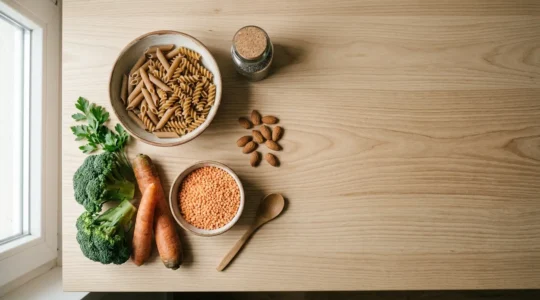
How to Reach the NHS Recommended 30g of Fibre a Day Without Supplements?
In summary: Focus on small, gradual « stealth health » upgrades to meals you already enjoy, rather than a complete diet overhaul. Overcome family resistance to whole grains by mixing them (e.g., 50/50 white and brown pasta) and using flavourful sauces. Avoid…
Lire la suite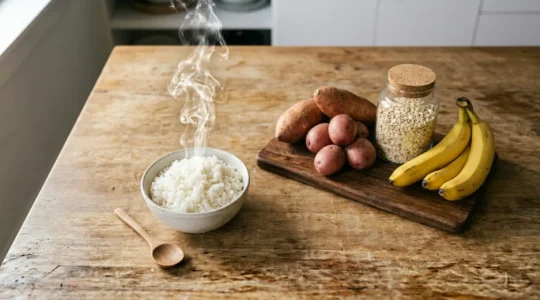
Carb-Loading for a Half-Marathon: Why Pasta Isn’t Always the Best Choice?
True race-day performance isn’t fueled by a mountain of pasta, but by scientific precision in your carb-loading strategy. Focus on fast-digesting, high Glycemic Load (GL) carbs like white rice and potatoes in the final 24-48 hours before your race. Timing…
Lire la suite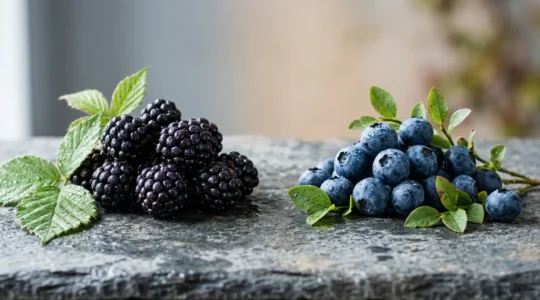
Blueberries or Blackberries: Which UK Fruit Boosts Skin Collagen Production More Effectively?
Contrary to popular belief, not all berries are created equal for skin health; wild UK blackberries significantly outperform blueberries in boosting collagen due to their unique nutritional profile and resilience. Wild berries develop higher antioxidant levels as a survival mechanism,…
Lire la suite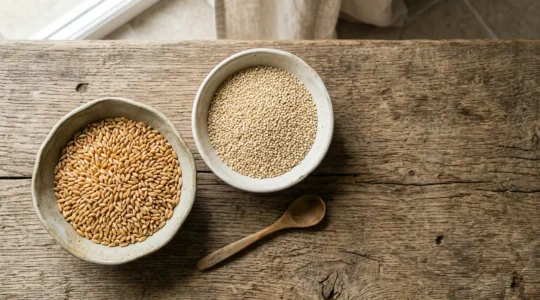
Spelt vs Quinoa: Which Ancient Grain is Better for Reducing Bloating After Meals?
The frustrating bloating you feel after eating supposedly « healthy » grains isn’t your fault—it’s often caused by poorly understood interactions between grain structure and your gut. Swapping grains isn’t enough; mastering specific preparation methods (like toasting, soaking, and fermenting) is crucial…
Lire la suite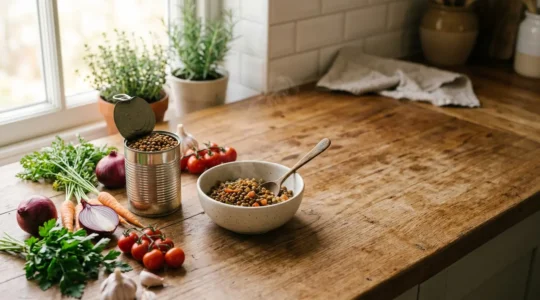
5 Smart Ways to Use Tinned Lentils and Feed Your Family for Under £5
In summary: Blend red lentils into sauces like bolognese to add « frictionless fibre » without kids noticing the texture. Prepare dried beans using a ‘hot soak’ and add kombu seaweed when cooking to significantly reduce gas. Master the ‘staggered cooking’ method…
Lire la suite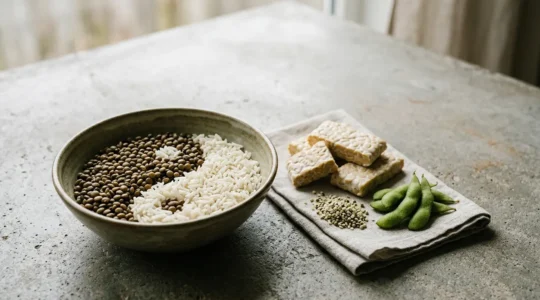
Getting Complete Proteins on a Vegan Diet: The Combinations 80% of Beginners Miss
The secret to effective vegan protein isn’t combining foods at every meal; it’s maximising amino acid bioavailability through smart preparation and timing. Your body maintains an amino acid « pool, » making total daily protein intake more critical than same-meal combinations for…
Lire la suite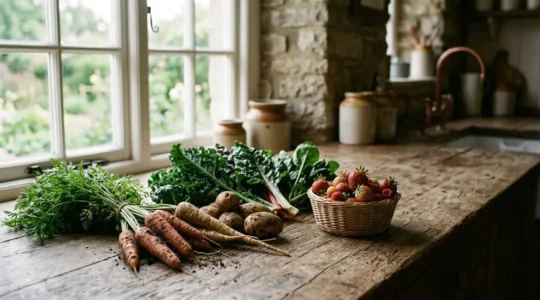
Eat Organic in the UK for Under £50 a Week? Here’s the Seasonal Strategy
In summary: Prioritise spending on organic versions of high-pesticide produce like strawberries. Master a « Triage, Preserve, Plan » system to eliminate waste from veg boxes. Embrace seasonal gluts by bulk-buying and freezing produce when it’s cheapest. Swap expensive organic meat for…
Lire la suite
Why a Metabolic Approach Is the Key for Women Over 40 with Hormonal Weight Gain
The « eat less, move more » mantra is the single biggest obstacle to weight management for women over 40, because hormonal shifts fundamentally change how your body processes energy. Your body’s increasing insulin resistance and cortisol sensitivity mean that calories from…
Lire la suite